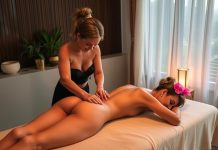

“Body rubbing” is a phrase that can land in a lot of places at once—on a spa menu, in a nightclub conversation, or tucked into the way two people move together on a quiet rooftop. At its broadest, it describes physical contact that ranges from therapeutic and restorative to sensual and intimate. Understanding what it means in each context helps you navigate consent, expectation, and safety without awkwardness.
In this article we’ll unpack the term, look at cultural and legal boundaries, explore how people create safe, pleasurable experiences without turning to step-by-step instruction, and map how Manhattan’s nocturnal scene ties into all of it. Expect practical advice about choosing reputable services, reading atmospheres, and staying safe at night—written plainly, without clinical jargon.
What “Body Rubbing” Means Today
0
At a practical level, “body rubbing” simply denotes physical contact applied with the hands or arms across another person’s body. That contact can be professional and therapeutic—like a licensed massage intended to relieve tension—or it can be erotic, meant to communicate desire or cultivate intimacy. The same physical action can carry very different meanings depending on context, consent, and intention.
Language matters: when you see “body rubbing” on a website or a menu, read the surrounding information carefully. Some businesses use euphemisms that hint at adult services; others are clearly advertising therapeutic touch. Distinguishing between those possibilities protects your expectations and your safety.
Historical and Cultural Perspectives
Touch is one of the oldest human practices. From traditional healing systems to social rituals, many cultures have used hands-on contact to soothe pain, mark transitions, or reinforce social bonds. Over time, varying moral and legal frameworks have shaped which forms of touch are acceptable in public and professional spaces.
Today, what counts as therapeutic care, intimate contact, or sexual service depends on regulatory frameworks, cultural attitudes, and individual consent. In cities like New York, a diverse mix of traditions and laws means you’ll encounter everything from clinical therapeutic practices to more relaxed social norms around flirtation and touch.
Types of Body Rubbing: A Clear Comparison
It helps to think in categories rather than techniques. Below is a neutral comparison that makes the distinctions clear without instructing anyone how to perform intimate acts.
| Category | Primary Purpose | Typical Setting | Legal/Professional Notes |
|---|---|---|---|
| Therapeutic Massage | Pain relief, mobility, relaxation | Licensed clinics, spas, wellness centers | Often regulated; practitioners may be licensed |
| Sensual/Erotic Touch | Intimacy, arousal, personal connection | Private settings, adult venues, consensual encounters | Consent essential; legality varies by locale |
| Social/Non-Sexual Contact | Greeting, comfort, dance/contact sport | Nightclubs, social gatherings, public events | Culturally variable; should respect personal boundaries |
Consent, Communication, and Safety
Consent is the backbone of any interaction involving touch. Clear, enthusiastic agreement—ideally verbal—keeps experiences respectful and legal. If someone uses vague language or avoids direct answers about services or boundaries, that’s a red flag. Conversely, professionals who communicate policies and maintain clear boundaries are usually a safer choice.
Consent isn’t a one-time checkbox; it’s an ongoing conversation. Either person can pause, change their mind, or ask for a different level of interaction at any time. If you’re the one seeking touch, articulate your expectations up front. If you’re offering, be explicit about your scope, training, and the limits of what you provide.
- Questions to ask in advance: Are you licensed? What services do you offer? What is your policy on consent and boundaries?
- Red flags: Pressure to perform illegal services, no clear contact information, lack of professional license when one is expected.
- Safety measures: Bring a friend when exploring new venues, verify credentials, and trust your instincts about people and places that feel off.
Creating a Respectful, Comfortable Atmosphere (Non-Technical)
When the goal is to make someone feel cared for—without turning your interaction into a how-to guide—the focus should be on environment, presence, and communication. Lighting, temperature, and sound all shape comfort. Simple details like a warm room, clean linens, and unobtrusive music help people relax. Those comforts support consent and mutual enjoyment.
Presence matters more than pressure. Being attentive—listening, checking in, and respecting pauses—creates trust. If you’re in a professional context, clear policies and a predictable routine reassure clients. If you’re in a private or social setting, agreed-upon boundaries and respectful pacing keep things consensual and pleasant.
Practical, Non-Instructional Tips
0
Without stepping into explicit instruction, you can improve the quality of touch-based interactions by focusing on these principles:
- Clarity: Make intentions and limits plain before any physical contact begins.
- Comfort: Prioritize physical and emotional comfort—temperature, posture, and privacy matter.
- Communication: Use simple check-ins (“Is this okay?”) and honor responses immediately.
- Hygiene and safety: Clean hands, reputable venues, and informed consent protect everyone involved.
Finding Reputable Providers in Manhattan
Manhattan is home to high-end spa clinics, licensed massage therapists, and a wide array of adult-oriented establishments. When evaluating options, rely on verifiable credentials, client reviews, and transparent business practices. Licensed therapists typically post credentials and professional affiliations; spas often have clear service descriptions and cancellation policies.
Word-of-mouth is invaluable. Ask friends you trust for recommendations, and read recent reviews—paying attention to recurring themes rather than a single glowing or negative comment. Be wary of listings that use euphemistic language without specifying professional standards or legal compliance.
- Check licensing boards for therapist credentials.
- Look for websites with clear pricing, policies, and contact information.
- Avoid establishments that pressure you into ambiguous “extras” or cash-only arrangements without documentation.
Manhattan Nightlife: Where the City’s Intimacy Lives
Manhattan’s nights are textured: rooftop bars sparkle, low-lit lounges hum with conversation, and intimate jazz clubs offer closeness without pretense. Each neighborhood carries a different vibe—some are flashy and social, others small and hushed. Knowing the character of a neighborhood helps set expectations for encounters and the kind of contact you might encounter there.
Here’s a neighborhood-by-neighborhood snapshot to guide your evening planning without naming specific businesses, which change frequently:
- Midtown: Tourist energy, rooftop views, and upscale hotel bars—great for first-time visitors wanting scenic nights.
- Chelsea & Meatpacking: Fashionable lounges and late-night spots where people mingle and flirt.
- Greenwich Village & West Village: Cozy bars, live music, and a more intimate, bohemian feel.
- Lower East Side & East Village: Younger crowds, diverse nightlife options, and casual dance floors.
- Harlem & Upper West Side: Rich musical traditions and quieter, culturally rich evenings.
Night Safety Checklist
Even in a city that never sleeps, safety requires attention. Keep your wits, safeguard your belongings, and plan your transportation before drinks or late nights change the picture. Consider sharing your location with a trusted friend, and avoid isolated routes late at night.
- Plan return transport—book a trusted ride service or use well-lit, populated transit options.
- Keep personal items secure and be cautious with strangers offering unsolicited help.
- Trust your instincts—if a person or place feels unsafe, leave and seek a public, well-lit area.
Image Suggestions for a Story About Body Rubbing and Nightlife
0
Though I can’t supply images directly, here are tasteful concepts that complement this topic without sensationalizing it: portraits of professional massage therapists at work in softly lit treatment rooms; candid shots of Manhattan skylines at dusk with warm lighting; atmospheric images of rooftop bars and jazz clubs that suggest intimacy without explicitness; closeups of hands in non-sexual, professional contexts (e.g., adjusting a towel or setting a candle).
Choose photographs that emphasize warmth, safety, and professionalism—clear, tasteful visuals make your piece feel credible and respectful.
Social Media Hashtags and Copy Ideas
Crafting a few social tags can help your post reach the right audience. Keep captions inviting and discreet, and avoid language that promises explicit services.
- #BodyRubbingExplained
- #TouchWithConsent
- #ManhattanNights
- #CityIntimacy
- #WellnessAndNightlife
- #SafeSensuality
Suggested caption: “Exploring what body rubbing means—from professional touch to Manhattan’s nighttime pulse. Consent, comfort, and rhythm guide the best experiences.”
Conclusion
“Body rubbing” covers a wide spectrum: therapeutic care, sensual expression, and everyday social contact. The difference between a respectful, pleasurable experience and an uncomfortable one lies in clarity—clear communication, informed consent, and trustworthy settings. In Manhattan, the city’s nightlife provides many atmospheres for connection, but the same rules apply: prioritize safety, verify credentials, and listen to yourself and others. When touch is handled with care, it becomes a form of human connection that can be comforting, connective, and memorable—without the need for explicit instruction.