
“Tantric massage XXX” may sound provocative at first glance, but beneath that headline lies a practice that, for many people, is about presence, breath, and deep relaxation. This article walks the line: it explores tantric-inspired massage as a sophisticated, sensual form of touch that prioritizes consent, comfort, and energy work—without crossing into explicit or inappropriate territory. Expect practical guidance on how to create a respectful session, how to find reputable practitioners, and where to continue a thoughtful, intimate evening in Manhattan’s vibrant night scene.
What Is Tantric-Inspired Massage?
Tantric-inspired massage borrows from tantric philosophy—attention to breath, awareness of body-energy, and the idea that touch can be a conduit for connection. In contemporary settings it often blends elements of slow, intentional touch, breathwork, and mindful presence. The goal is not explicit sexual stimulation but a deepening of awareness, relaxation, and feeling fully seen by another human being. Think of it as a slow conversation between two bodies, led by respect and clear boundaries.
Historically, tantra spans spiritual and meditative traditions. Today’s massage interpretations focus on using those principles in a therapeutic, consensual setting, often aimed at relieving tension, increasing body awareness, and fostering intimacy in a safe, contained way. It’s important to distinguish therapeutic energy work from explicit sexual services—professional practitioners emphasize ethics, training, and clear consent.
Core Principles: Consent, Communication, and Boundaries
Before a single drop of oil is warmed, three items must be settled: clear consent, open communication, and agreed boundaries. A good practitioner or partner will explain what to expect, ask about medical history or areas to avoid, and respect safewords or nonverbal cues. Consent is ongoing—people can change their mind at any time, and that choice should be honored immediately.
Establishing boundaries also means agreeing on clothing, draping, and which areas are on or off limits. These logistical conversations remove ambiguity and make the experience feel secure rather than risky. Clear boundaries are not a mood-killer; they create the freedom to be fully present.
Setting the Scene: Atmosphere Matters
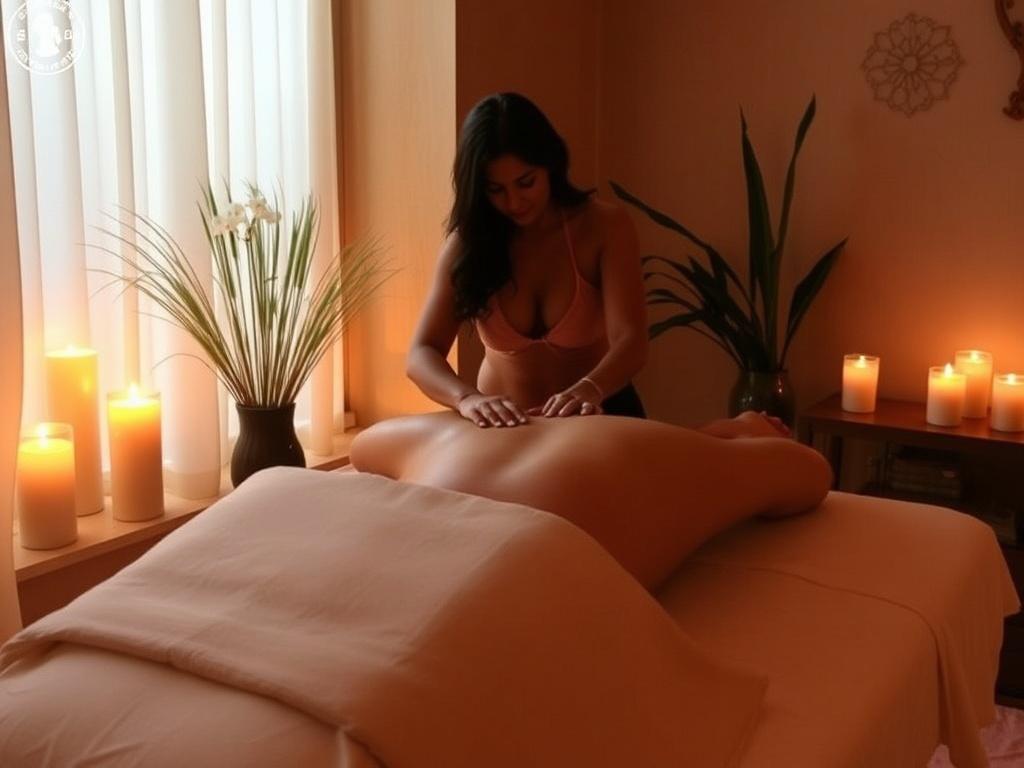
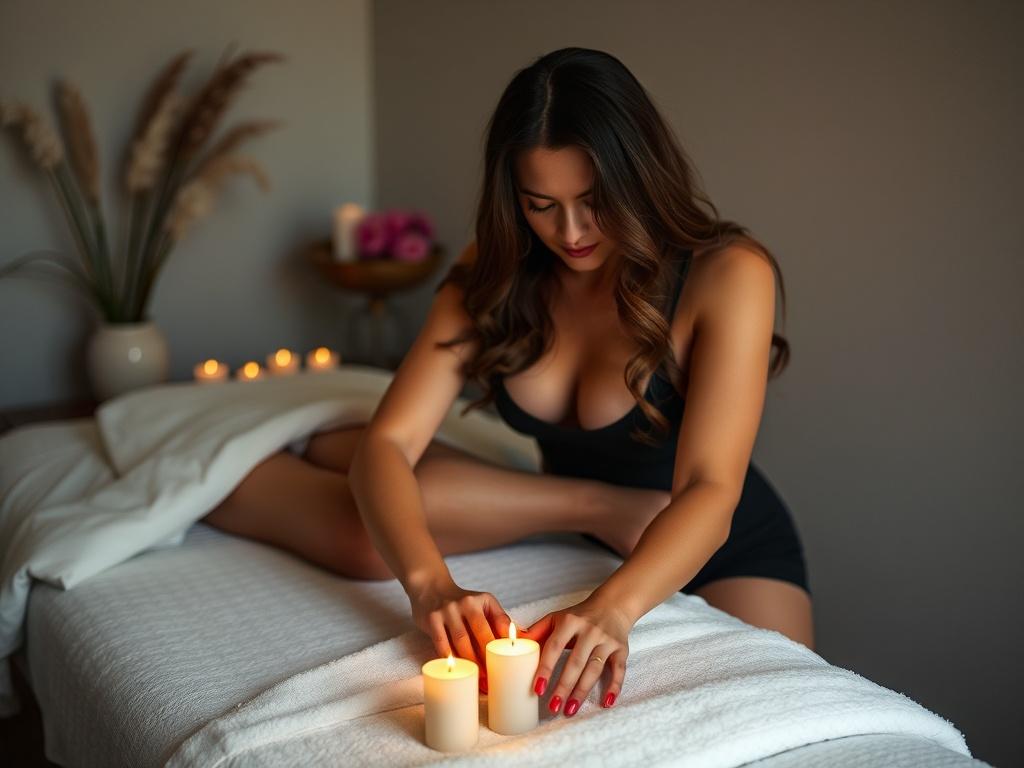
Lighting, temperature, and sound shape how the body receives touch. Aim for soft, warm lighting (lamps or dimmable fixtures), a comfortably warm room, and unobtrusive music—instrumental, ambient, or light jazz can work well. Clean sheets, warmed oil, and a single scented element (like a subtle lavender or citrus) are enough; excess becomes distracting.
Comfortable furniture matters as much as mood. A sturdy table or a well-padded mat on the floor gives both giver and receiver confidence. Small details—towels, a glass of water nearby, and a quiet place to transition afterward—help the experience land gently.
Non-Explicit Techniques That Deepen Connection
Without getting graphic, there are gentle, non-sexual techniques that enhance relaxation and presence. Slow, sustained strokes help the nervous system downshift; light, rhythmic touch can encourage calm and attunement. Breathing together—matching pace or using guided inhalations and exhalations—builds a felt sense of synchrony.
Mindful pauses are as important as movement. A practitioner might pause to check in verbally or through a simple touch on the shoulder. Intentional sequence—starting with broader muscle groups and moving gradually to more focused work—lets the body open without pressure. The aim is to cultivate awareness of sensation, not to provoke arousal.
| Style | Focus | Typical Pace | Best For |
|---|---|---|---|
| Tantric-Inspired | Breath, presence, energy flow | Slow and meditative | Exploring intimacy and relaxation safely |
| Swedish | Muscle relaxation, circulation | Moderate, rhythmic | General stress relief |
| Shiatsu | Pressure points, meridian balancing | Firm, targeted | Energy balancing and tension release |
Finding a Reputable Practitioner
Whether you’re looking for a licensed therapist who incorporates tantric principles or a trained energy worker, vetting is essential. Search for practitioners with clear contact info, client reviews, visible training credentials, and a professional website. Ask about scope of practice: does the practitioner offer therapeutic massage, energy work, or explicit sensual services? For safety, prioritize licensed professionals and established studios that follow local regulations.
When you contact a practitioner, ask specific questions: their approach to consent, what draping methods they use, COVID-era hygiene practices (if still relevant), and how they handle aftercare. Trust your instincts—if something feels rushed, evasive, or unprofessional, walk away.
Manhattan Nights: Where to Take the Mood
Manhattan’s nightlife is broad enough to match many temperaments. After a calming session, you might prefer a quiet jazz club, a rooftop with skyline views, or a dim lounge with craft cocktails. Neighborhoods each carry a distinct flavor: the West Village is intimate and walkable, Chelsea leans artsy and late-night, the Lower East Side is energetic and youthful, and Midtown offers skyline spectacle.
- Rooftop bars: Great for a slow, cinematic transition from private to public, especially at sunset.
- Jazz clubs and lounges: Keep the tempo low and conversation intimate.
- Speakeasies and cozy cocktail bars: For whispered conversation and atmospheric lighting.
- Late-night diners: If you crave something casual and restorative after an intense experience.
- Nighttime walks: A quiet riverside stroll or a moonlit walk on the High Line can prolong the sense of connection.
Always check each venue’s current hours and reservation policies. New York’s nightlife turns quickly—some long-loved places close while others reinvent themselves—so a quick online check will keep your plan realistic.
Etiquette and Aftercare
Aftercare matters as much as the session itself. Plan for time to rehydrate, to sit quietly, and to share feelings or preferences without pressure. If you continue your evening together, recheck consent for any new setting or activity. If you’re alone, consider a soothing routine—warm tea, a short walk, or journaling about how your body feels.
Practical etiquette: arrive on time, turn off your phone, respect the practitioner’s policies on cancellations and gratuities, and keep conversations about boundaries clear and concise. Aftercare is a kindness that honors the vulnerability both parties brought into the room.
Quick Packing and Do/Don’t Checklists
- Do bring: Identification if needed, a list of allergies/meds, comfortable clothing for after the session, an open mind.
- Don’t bring: Unrealistic expectations, pressure for sexual contact, or large groups that make the environment crowded.
- Do ask: About sanitation, draping policies, scope of practice, and aftercare recommendations.
- Don’t ignore: Your own comfort signals—if something feels off, say so and stop.
Image Suggestions for Visuals
When choosing images to accompany content like this, aim for tasteful and professional visuals. Consider photos of: a serene massage table with soft lighting and warmed towels; close-but-respectful portraits of massage therapists (diverse, professional); and Manhattan nighttime skylines—rooftops, bridge views, or the softly lit riverfront. Avoid any images that sexualize or objectify; choose empowering, elegant photography that reflects consent and care.
Social Media Hashtags and Captions

Use hashtags that balance curiosity with respect. Here are suggestions formatted for social sharing:
- #TantricMassage #MindfulTouch #WellnessEvening
- #ManhattanNights #NYCNightlife #RooftopVibes
- #ConsentFirst #AftercareMatters #UrbanWellness
Caption idea: “Slow down, breathe together, and explore connection with intention. A mindful massage can soften both body and day—then step out into Manhattan’s night with a calm heart.”
Final Notes on Safety and Legality
Different cities and states regulate bodywork and massage in varied ways. In many places, licensed massage therapists follow strict rules about scope of practice and professional behavior. Services advertised explicitly for sexual purposes often fall outside legal and ethical boundaries. Prioritize practitioners who are transparent about licensing, maintain clear professional standards, and operate in licensed spaces.
If anything about a service seems clandestine, hurried, or illegal, err on the side of caution. Your safety and comfort are the most important parts of any experience labeled “tantric” or sensual.
Conclusion
Tantric-inspired massage can be a powerful way to slow down, tune into breath and sensation, and deepen a sense of presence—either solo, with a partner, or with a trained practitioner. The difference between a restorative, respectful session and something uncomfortable comes down to consent, clear communication, and professional standards. If you plan to explore this terrain in Manhattan, combine careful vetting with thoughtful aftercare and choose nightlife options that honor the calm you’ve cultivated. Intimacy need not be explicit to be rich; sometimes the most memorable evenings are those in which touch is practiced with clarity, restraint, and genuine curiosity.